
Stop Polluting Bellingham Now
The city is proposes to invest $40-540M to upkeep outdated incinerators that cannot even handle the capacity, via an archaic method, without permits, sending toxic forever chemicals right into our neighborhoods and water systems, on Bellingham resident’s dime.
Why are they choosing aggressive pollution and bodily harm when there are alternative options?


THE PROBLEM IS SIMPLE AND CLEAR
The city is choosing pollution, higher rates for citizens, and ignoring public safety by burning sludge in an incinerator that is not permitted or SEPA compliant.
-
Old style of top loading incinerators with HPV (High-Priority Violator) status
Flagged by the EPA for violations against the Clean Air Act
Installed in 1972 to serve 41K B’hamsters, that same burner works OT to handle 91K people
Outdated and over capacity
It essentially works like a burn barrel with a giant torch on top to keep the smoke down. That’s what Bellingham has.
-
MHF’s (Mulit-Hearth Furnaces) burn dirty when overloaded and create Carbon Monoxide directly floating into our city
CO suggests they are overfeeding the furnace
Stormwater sludge carries rubber, tire dust, brake pad particles, PFAS, oils, heavy metals, pharmaceuticals, pesticides, endocrine-disrupting chemicals and more. Read more here.
A low-temp incinerator like Bellingham’s mean these don’t go away and instead make their way into our community in the air.
-
Description text goes here
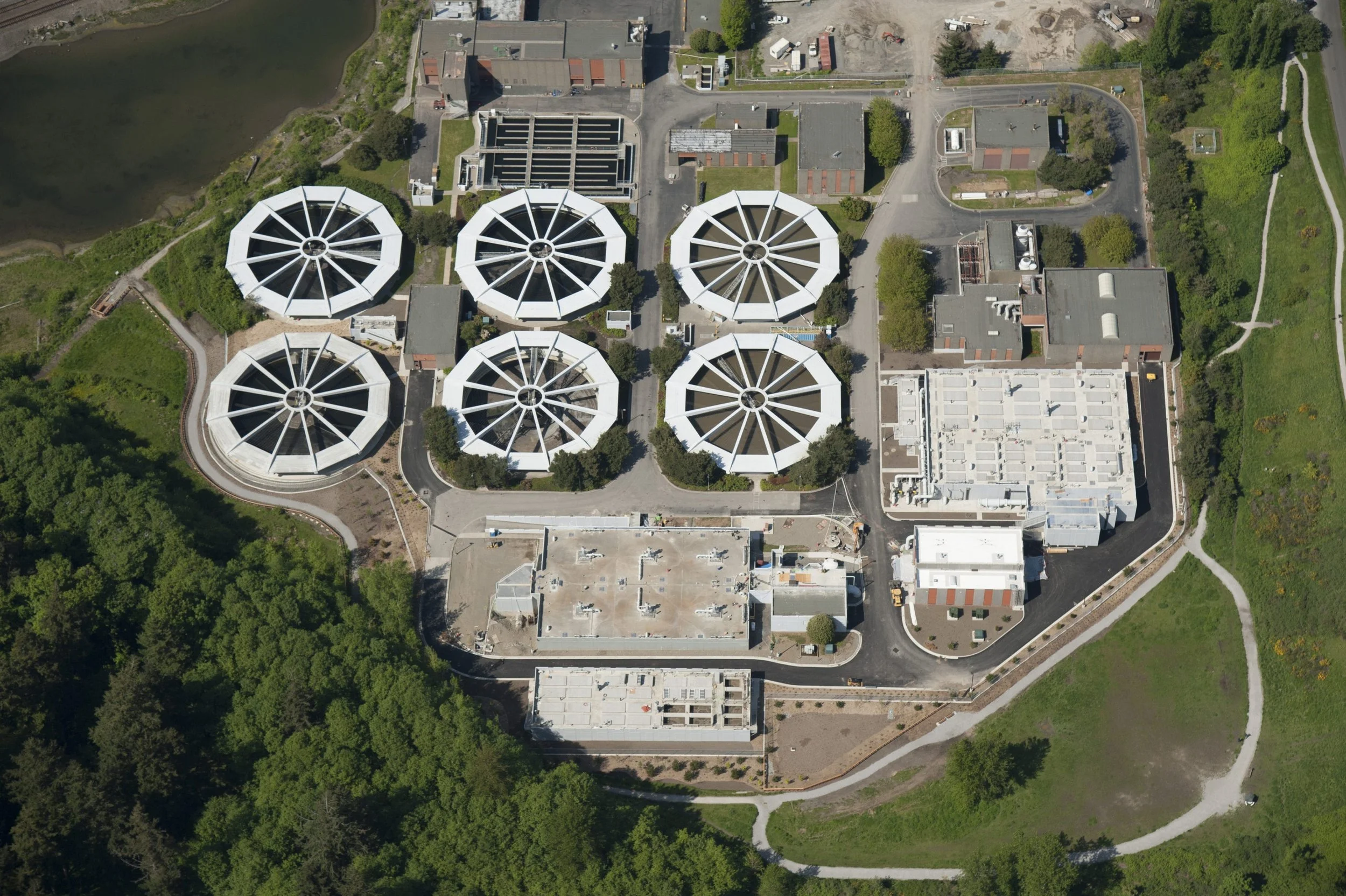


alternative Solutions are safer, less costly & available now.

EPA prefers landfilling for sewage sludge. For the City of Bellingham, it requires less investment, fewer emissions, and no natural gas. It’s safer for workers and neighborhoods. Even temporarily, it provides time, in a safe way, that won’t break the people’s bank, to figure out alternatibevs. It’s
not a "dumping" plan but waste is treated & stabilized.
These alternatives include opportunities for regional solutions with redundancy, recycling lagoon solids for energy or reuse, transport options that reduce neighborhood exposure and thus create long-term health savings. This includes a digester with energy recovery for almost free.
This is our chance to build smarter.
Redundant systems, regional cooperation, and cleaner processes can turn a toxic liability into a resilient future. Other Washington State cities are moving this way. We can save millions of the people’s dollars and avoid health risks by stopping the outdated and unregulated incineration in Bellingham.
Why wouldn’t we choose that?
RO-52 — A Dangerous Permit with No Enforcement
Ignores Environmental Regulations
RO-52 shields Post Point from mandatory shutdown for ongoing polluting
Does not resolve the missing AOP or SSMP
Omits BACT location, testing or enforcement
Should include air-modeling due to extraordinary short stacks at only 32 feet high, not a normal 60’ stack
Should include soil testing, SEPA, and air modeling
Avoids Compliance & Enforcement
City-hired lawyers are delaying pollution enforcement, prioritizing legal tactics over public protection
Despite clear violations and a Notice of Violation (NOV) received over a year ago, enforcement has stalled.
RO-52 further delays action, allowing ongoing pollution while residents foot the legal bill
These legal maneuvers have blocked accountability since the city failed to secure a proper Air Operating Permit in 2016.
Skirts Sensor Location & CO Monitoring
Sham Testing & Failures: CO sensors are placed after air dilution, invalidating results + recent scrubber failures exposed the public to pollution without warning
Toxic Pollution: Low-temp burning spreads PFAS and other toxins across Fairhaven, Bellingham & beyond
Climate Contradiction: The city burns 24 million cubic feet of gas annually for incineration—undermining Bellingham’s climate goals
Overloaded & Obsolete: The system is maxed out, can’t scale with population growth, and lacks the infrastructure or justification to keep burning
Community Briefings

A incinerator stack billows smoke filled with PFAS. Bellingham’s stacks are a fraction of the regulatory height—pumping PFAS and CO directly into city neighborhoods.-
-
-
All resources from EPA documents, scientific reviews, media articles and more can be found HERE.
LEARN MORE!
The presentation includes:
Background on the facility
The environmental danger
The health risks for people and the community
Information on RO-52 Permit
The costs and alternative cost-effective, environmentally preferred option
Resource links to explore yourself

VIEW PHOTOS

City’s Ash Pile & AshFills
The City of Bellingham owned incinerator’s that generated % of this ash fill. The ash is mixed with toxic medical waste AKA heavy metals. None of it is lined. Monitoring wells? Gone.
Short Stacks Release CO into City
Should include air-modeling due to extraordinary short stacks only 32 feet high, not a normal 60’ stack.Explore the map to see the proximity to the community and on local water.
We call on the City of Bellingham to halt investment in the outdated Post Point incinerator and explore safer, cleaner alternatives—before it’s too late.